
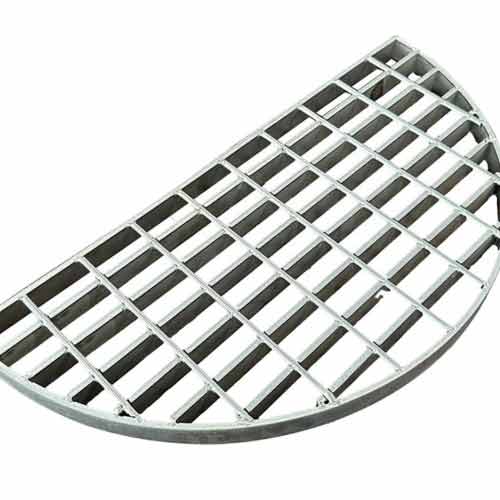
Platform gratings, whether steel, aluminum, or fiberglass, are subjected to continuous load, environmental exposure, and potential impact. A proactive and systematic maintenance program is essential to maximize their service life, ensure safety, and avoid costly premature replacements. Best practices focus on regular inspection, cleaning, corrosion control, and immediate repair of damage.
The cornerstone of effective maintenance is a scheduled visual and physical inspection program. Inspections should be conducted at least semi-annually, or more frequently in harsh environments. Key areas to examine include: welds and connections for cracks or rust, bearing bars and cross bars for deformation or excessive wear, fasteners and clamps for tightness and corrosion, and support structures for integrity. Special attention must be paid to areas with constant foot traffic, chemical spills, or where water and debris can accumulate. Tapping with a hammer can reveal loose connections or internal corrosion in hidden areas.
Regular and thorough cleaning prevents the accumulation of debris, chemicals, and moisture—the primary catalysts for corrosion and slip hazards. Use water, mild detergents, and non-metallic brushes to remove dirt, oil, and grime. In chemical processing plants, promptly neutralize and wash away any spillage according to safety data sheets. For exterior gratings, ensure drainage paths and weep holes are clear to prevent water pooling, which accelerates corrosion, especially in carbon steel gratings.
Corrosion prevention and control are paramount for metal gratings. For painted or powder-coated gratings, inspect the coating for chips, scratches, or blistering. Any breach in the coating exposes the bare metal and creates a focal point for rust. Touch up damaged areas immediately using the manufacturer-specified primer and topcoat after proper surface preparation. For galvanized gratings, look for white rust (zinc hydroxide) or areas where the zinc has worn away. While minor white rust can often be cleaned with a stiff brush, areas of significant zinc loss require application of a zinc-rich paint to restore sacrificial protection.
Prompt repair of physical damage is non-negotiable for safety. Bent, cracked, or severely corroded bars compromise the grating's load capacity. Isolated damaged bars can sometimes be reinforced or replaced by a qualified technician. Loose gratings must be re-secured immediately to prevent movement and potential trips. For fiberglass gratings, inspect for UV degradation (chalking, fading), resin erosion from chemicals, and structural cracks. Damaged FRP sections often require full panel replacement. Maintaining detailed records of all inspections, cleaning, and repairs helps track the grating's condition over time and plan for future maintenance or upgrades.
-
2026-03-13When engineers design access platforms around cylindrical structures—such as silos, reactors, or storage tanks—the circular platform grating becomes an indispensable solution for safe, ergonomic, and code-compliant walkways. Unlike flat panels that leave awkward gaps, custom-fabricated c
-
2026-03-12Cast iron grating has served as the foundation of drainage systems for centuries, providing the robust, reliable surface drainage that handles pedestrian and vehicular traffic in urban environments worldwide. These cast metal components feature perforated or slotted patterns that allow wat
-
2026-03-11Industrial HVAC systems require stable and safe maintenance access platforms to support personnel and equipment. Chiller platform grating serves as the critical flooring surface for these elevated structures, providing a non-slip and durable working environment. Chillers are typically heav