
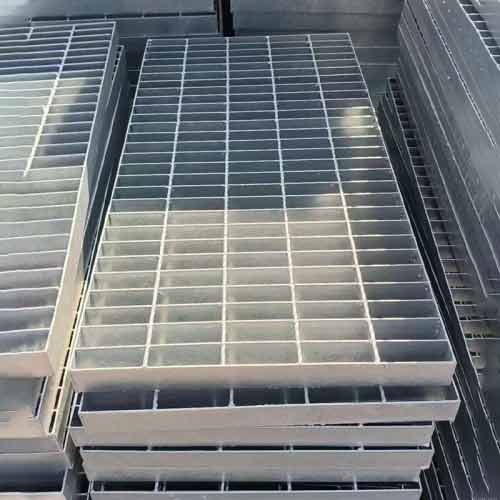
Platform grating is a vital structural component used in industrial, commercial, and infrastructure projects, providing safe, stable surfaces for walkways, catwalks, mezzanines, and equipment platforms. The load capacity and structural integrity of platform grating are critical to ensuring the safety of personnel and equipment, as these surfaces must support dynamic loads (e.g., foot traffic, moving equipment) and static loads (e.g., stored materials, fixed machinery). Understanding the load capacity requirements and structural design principles of platform grating is essential for engineers, contractors, and project managers to select and install grating that meets regulatory standards and operational needs.
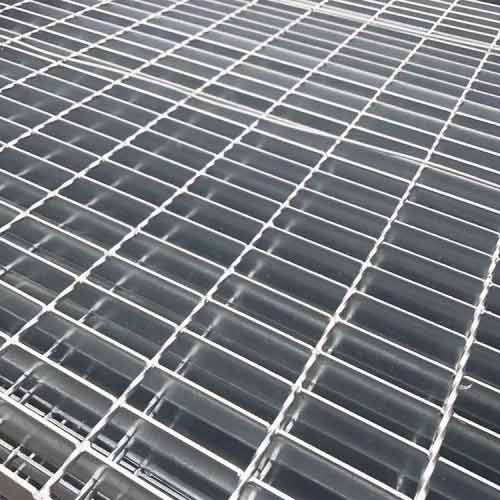
Load capacity of platform grating is defined as the maximum weight the grating can safely support without permanent deformation or failure. It is influenced by several factors, including the material of the grating (steel, aluminum, fiberglass), the thickness and spacing of the bearing bars (the main load-bearing components), the cross-bar spacing, and the span of the grating panel. For example, steel grating with thicker bearing bars and closer spacing will have a higher load capacity than aluminum grating with thinner bars and wider spacing. Load capacity is typically specified by manufacturers in terms of maximum uniform load (pounds per square foot) or point load (pounds at a specific location), based on standardized testing methods such as those outlined by the American Society of Civil Engineers (ASCE) or the International Organization for Standardization (ISO).
Structural requirements for platform grating are governed by local building codes and industry standards, which dictate minimum design criteria for safety and performance. Key structural requirements include sufficient tensile strength, bending resistance, and fatigue resistance to withstand repeated loads over the grating’s lifespan. The grating must also be designed to prevent excessive deflection—typically limited to 1/360 of the span—to ensure a stable walking surface and avoid damage to adjacent structures. Additionally, the connection between grating panels and support structures (e.g., beams, frames) must be secure, using fasteners such as clips, bolts, or welding, to prevent movement or dislodgment under load. For outdoor or corrosive environments, structural requirements may also include corrosion-resistant materials or coatings to maintain integrity over time.
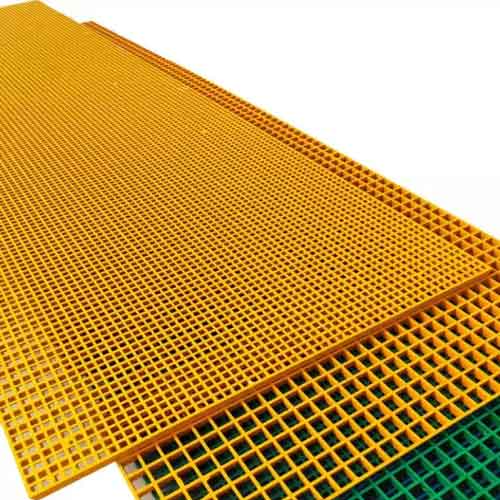
Material selection plays a significant role in meeting load capacity and structural requirements. Steel grating is the most common choice for heavy-duty applications due to its high strength-to-weight ratio and excellent load-bearing capacity, making it suitable for industrial platforms and heavy equipment areas. Aluminum grating is lighter than steel, corrosion-resistant, and easier to install, making it ideal for commercial applications and areas where weight is a concern. Fiberglass grating, also known as FRP (fiberglass-reinforced plastic) grating, offers superior corrosion resistance and electrical insulation, making it suitable for chemical plants, wastewater treatment facilities, and areas with electrical hazards. Each material has specific load capacity limitations that must be considered during design.
Proper installation and maintenance are essential to ensuring that platform grating maintains its load capacity and structural integrity over time. During installation, grating panels must be properly aligned and securely fastened to support structures, with no gaps or uneven surfaces that could create tripping hazards or weaken the structure. Regular maintenance includes inspecting the grating for signs of wear, corrosion, or damage (e.g., bent bars, loose fasteners), cleaning debris that could accumulate and increase load stress, and repairing or replacing damaged panels promptly. By adhering to load capacity guidelines, structural requirements, and maintenance best practices, platform grating can provide a safe, durable surface that meets the needs of any project, from industrial facilities to commercial buildings.
-
2026-03-13When engineers design access platforms around cylindrical structures—such as silos, reactors, or storage tanks—the circular platform grating becomes an indispensable solution for safe, ergonomic, and code-compliant walkways. Unlike flat panels that leave awkward gaps, custom-fabricated c
-
2026-03-12Cast iron grating has served as the foundation of drainage systems for centuries, providing the robust, reliable surface drainage that handles pedestrian and vehicular traffic in urban environments worldwide. These cast metal components feature perforated or slotted patterns that allow wat
-
2026-03-11Industrial HVAC systems require stable and safe maintenance access platforms to support personnel and equipment. Chiller platform grating serves as the critical flooring surface for these elevated structures, providing a non-slip and durable working environment. Chillers are typically heav