
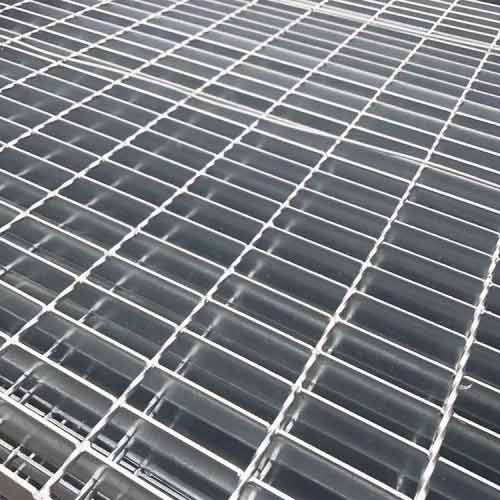
Platform grating is a critical component in industrial flooring, providing necessary traction and drainage in various facilities. However, to ensure its longevity and safety, the surface treatment and finishing of the grating are paramount. Raw steel grating is susceptible to rust and corrosion, which can compromise its structural integrity and create slip hazards. Therefore, selecting the appropriate surface treatment is not just an aesthetic choice but a vital safety and maintenance decision that dictates the performance of the platform over time.
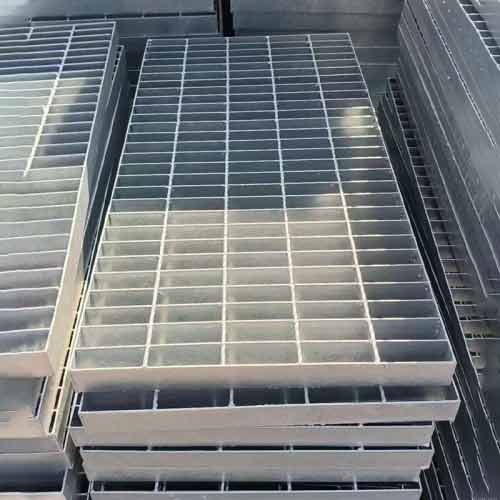
One of the most common and effective finishing options for platform grating is hot-dip galvanizing. This process involves coating the grating in a layer of molten zinc, which provides a robust barrier against moisture and oxygen. Galvanizing is particularly effective for industrial environments where the grating is exposed to the elements or chemical spills. The zinc coating offers cathodic protection, meaning that even if the surface is scratched, the underlying steel remains protected from rusting for an extended period. This makes galvanized grating a low-maintenance solution for outdoor platforms and mezzanines.
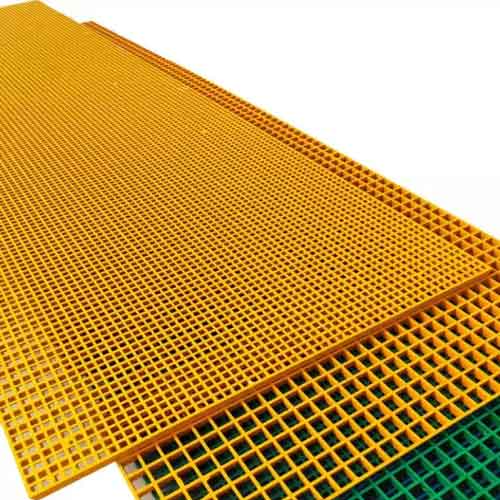
Another vital treatment option is the application of specialized coatings or paints designed for high-traffic areas. For indoor platforms where aesthetics or specific color-coding is required, paints or powder coatings can be applied. These finishes often include anti-slip aggregates, such as aluminum oxide or grit, embedded into the paint to enhance traction. Powder coating, in particular, provides a durable, uniform finish that resists chipping and fading, making it ideal for clean environments like food processing plants or pharmaceutical facilities where hygiene and visual clarity are important.
For highly corrosive environments, such as chemical plants or offshore platforms, more advanced treatments like electro-polishing or specialized epoxy systems may be necessary. These treatments seal the surface more aggressively, preventing corrosive agents from penetrating the steel. Additionally, for applications where hygiene is critical, such as in food and beverage industries, a polished finish is often preferred. Polished grating is easier to clean and sanitize, as there are fewer crevices for bacteria to hide, although it requires diligent maintenance to prevent rust in wet conditions.
In conclusion, the choice of surface treatment and finishing for platform grating is a decisive factor in its safety and lifespan. Whether opting for the heavy-duty protection of hot-dip galvanizing, the clean aesthetics of powder coating, or the hygiene of a polished finish, each method serves specific operational needs. By investing in the right surface treatment, facility managers can ensure that their platforms remain safe, slip-resistant, and structurally sound for years to come, protecting both workers and infrastructure.
-
2026-03-13When engineers design access platforms around cylindrical structures—such as silos, reactors, or storage tanks—the circular platform grating becomes an indispensable solution for safe, ergonomic, and code-compliant walkways. Unlike flat panels that leave awkward gaps, custom-fabricated c
-
2026-03-12Cast iron grating has served as the foundation of drainage systems for centuries, providing the robust, reliable surface drainage that handles pedestrian and vehicular traffic in urban environments worldwide. These cast metal components feature perforated or slotted patterns that allow wat
-
2026-03-11Industrial HVAC systems require stable and safe maintenance access platforms to support personnel and equipment. Chiller platform grating serves as the critical flooring surface for these elevated structures, providing a non-slip and durable working environment. Chillers are typically heav