

Platform gratings serve as essential walking surfaces in industrial facilities, commercial buildings, and infrastructure installations worldwide, creating significant demand for materials that can be efficiently recycled at end of service life. The recycling potential of platform gratings depends on the materials from which they are constructed, the design features that affect disassembly and processing, and the availability of recycling infrastructure capable of handling these products. Understanding the recycling characteristics of different grating materials and designs enables building owners, architects, and facility managers to make specification choices that support circular economy principles while maintaining the performance requirements of their applications. The environmental benefits of recyclable gratings extend beyond reduced landfill waste to include the energy savings associated with recycled material processing compared to primary material production.
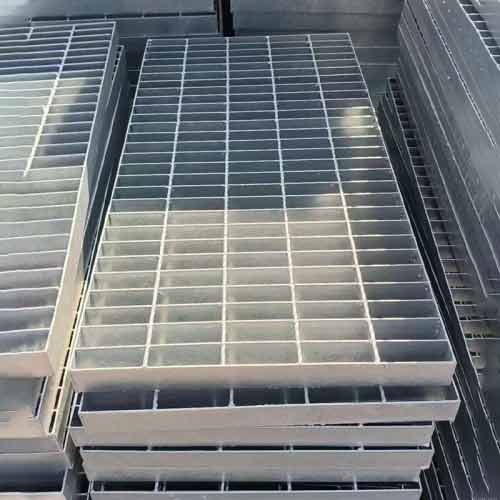
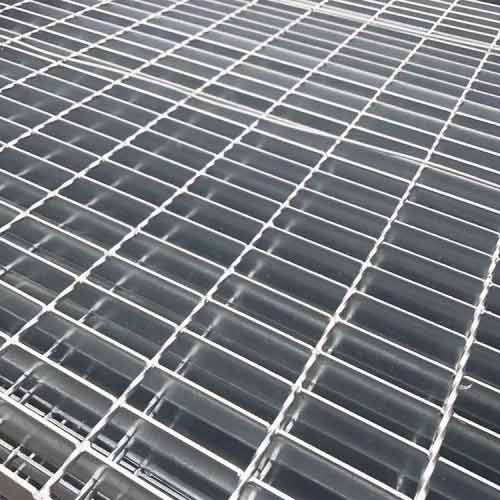
Steel gratings offer excellent recycling potential due to the well-established infrastructure for steel scrap collection, processing, and remelting that exists throughout the industrialized world. Steel is among the most recycled materials globally, with recycling rates exceeding 60 percent for many product categories and the material properties essentially preserved through the recycling process. Steel gratings can be processed through conventional scrap metal channels, with the material melted and formed into new steel products with minimal quality degradation. The substantial mass of steel gratings—particularly heavy-duty industrial gratings—provides significant material value that can offset disposal costs and potentially generate revenue when sold to scrap processors. Galvanized steel gratings can be recycled as well, with the zinc coating either recovered during the recycling process or accounted for in the composition of recycled steel.
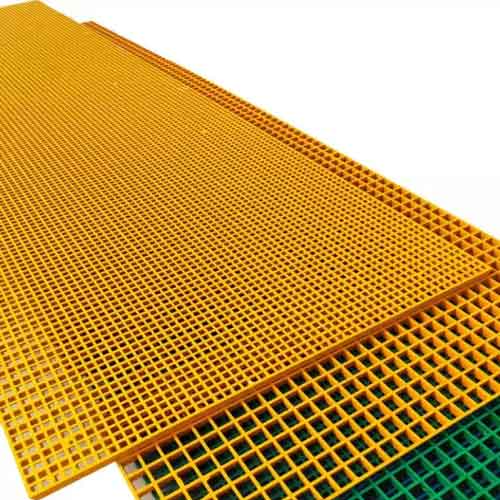
Aluminum gratings present somewhat different recycling considerations, with aluminum offering even greater energy savings through recycling—approximately 95 percent energy reduction compared to primary production—though the collection and processing infrastructure is less extensive than for steel. Aluminum's lower density means that gratings contain less absolute material value per unit volume than steel, potentially affecting the economics of recycling for smaller quantities. Fiberglass reinforced plastic gratings present the greatest recycling challenges, as the composite material structure complicates separation and reprocessing. However, emerging technologies for fiberglass recycling—including mechanical grinding for filler applications and chemical processes for fiber recovery—are developing to address the growing volume of composite materials reaching end of life. Building owners considering fiberglass gratings should evaluate local recycling options and the potential for manufacturer take-back programs when assessing lifecycle environmental impacts.
-
2026-03-13When engineers design access platforms around cylindrical structures—such as silos, reactors, or storage tanks—the circular platform grating becomes an indispensable solution for safe, ergonomic, and code-compliant walkways. Unlike flat panels that leave awkward gaps, custom-fabricated c
-
2026-03-12Cast iron grating has served as the foundation of drainage systems for centuries, providing the robust, reliable surface drainage that handles pedestrian and vehicular traffic in urban environments worldwide. These cast metal components feature perforated or slotted patterns that allow wat
-
2026-03-11Industrial HVAC systems require stable and safe maintenance access platforms to support personnel and equipment. Chiller platform grating serves as the critical flooring surface for these elevated structures, providing a non-slip and durable working environment. Chillers are typically heav