
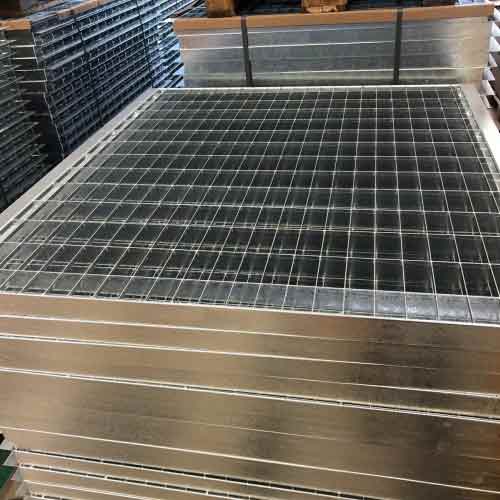
Industrial platform grating, typically made of steel, aluminum, or fiberglass, provides safe walking surfaces and structural support in factories, refineries, and offshore platforms. Due to exposure to heavy loads, corrosive chemicals, and environmental elements, regular maintenance and inspection are vital to prevent structural failure and ensure worker safety. A proactive maintenance program extends the grating's service life, reduces replacement costs, and complies with occupational safety regulations like OSHA 1910.22, which mandates that walking surfaces be maintained in a safe condition.
Inspection procedures begin with a visual assessment, ideally conducted quarterly or semi-annually depending on the environment. Inspectors look for signs of corrosion (rust on steel, pitting on aluminum), deformation (bent or twisted bearing bars), and loose or missing fasteners (clips, bolts, welds). Special attention is given to weld points, as fatigue cracks often initiate here due to cyclic loading. For fiberglass grating, UV degradation is a key concern; surface chalking, discoloration, or exposed fibers indicate loss of structural integrity. A hammer test (tapping the grating with a mallet) can detect delamination in composite gratings, producing a hollow sound if the resin has separated from the fibers.
Cleaning is a critical part of maintenance, as accumulated dirt, oil, and chemical residues can accelerate corrosion and reduce slip resistance. High-pressure water blasting (up to 3000 psi) is effective for removing stubborn debris without damaging the grating surface, provided the pressure is adjusted for the material (lower for fiberglass). Chemical cleaners should be pH-neutral to avoid etching metal or degrading resin. For gratings in food processing or pharmaceutical environments, sanitation-grade detergents and hot water are used to prevent bacterial growth. After cleaning, the grating must be thoroughly dried to prevent flash rusting on steel or water spots on aluminum.
Repair procedures depend on the extent of damage. Minor surface corrosion on steel grating can be treated with wire brushing and application of a zinc-rich primer followed by a polyurethane topcoat. For localized damage, individual bearing bars or cross rods can be cut out and replaced, then welded or bolted back into place, ensuring the new section matches the original load capacity. In severe cases where more than 20% of the grating is compromised, full panel replacement is necessary. Temporary repairs using steel patches or fiber-reinforced polymer (FRP) wraps are acceptable for short-term use but must be scheduled for permanent replacement to avoid liability.
Load testing is recommended after major repairs or every 3-5 years for high-traffic areas. A static load test involves placing a calibrated weight (typically 1.5 times the rated load) on the grating and measuring deflection; excessive sagging indicates structural weakness. Dynamic load tests, simulating foot traffic or equipment movement, can reveal issues with fastener loosening or fatigue. Documentation of all inspections, repairs, and tests is essential for liability protection and regulatory compliance. Digital maintenance logs, including photos and defect maps, help track degradation trends and predict when replacement is needed.
Preventive measures include applying protective coatings (epoxy, galvanizing) during fabrication for harsh environments and installing sacrificial anodes for offshore or marine grating. Anti-slip treatments, such as bonded abrasive strips or raised patterns, should be inspected regularly for wear. Training personnel to report damage immediately and avoiding dragging heavy equipment across the grating (using rollers or cranes instead) reduces impact damage. By adhering to a structured inspection and maintenance schedule, facilities can ensure their platform grating remains a safe, reliable asset for decades.
-
2026-03-13When engineers design access platforms around cylindrical structures—such as silos, reactors, or storage tanks—the circular platform grating becomes an indispensable solution for safe, ergonomic, and code-compliant walkways. Unlike flat panels that leave awkward gaps, custom-fabricated c
-
2026-03-12Cast iron grating has served as the foundation of drainage systems for centuries, providing the robust, reliable surface drainage that handles pedestrian and vehicular traffic in urban environments worldwide. These cast metal components feature perforated or slotted patterns that allow wat
-
2026-03-11Industrial HVAC systems require stable and safe maintenance access platforms to support personnel and equipment. Chiller platform grating serves as the critical flooring surface for these elevated structures, providing a non-slip and durable working environment. Chillers are typically heav