

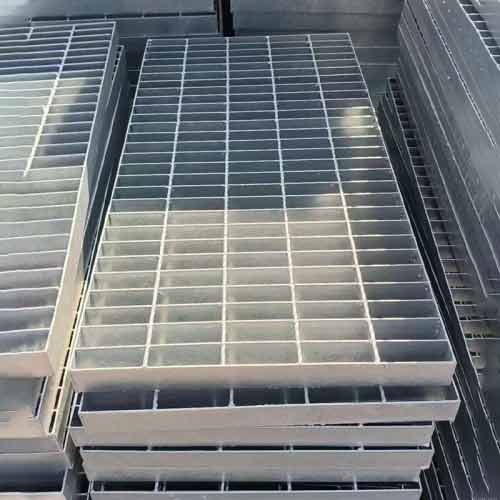
Lightweight platform gratings have revolutionized industrial flooring by offering a high strength-to-weight ratio that reduces structural load and simplifies installation. Unlike traditional heavy steel plates, these gratings are typically made from aluminum, fiberglass reinforced plastic (FRP), or thin-gauge stainless steel with open mesh patterns. The primary advantage is the reduction in dead weight; a lightweight grating system can be up to 70% lighter than solid steel, which means the supporting framework requires less material and the foundation costs are lower. This is particularly beneficial in retrofit projects where existing floors cannot support heavy additional loads.
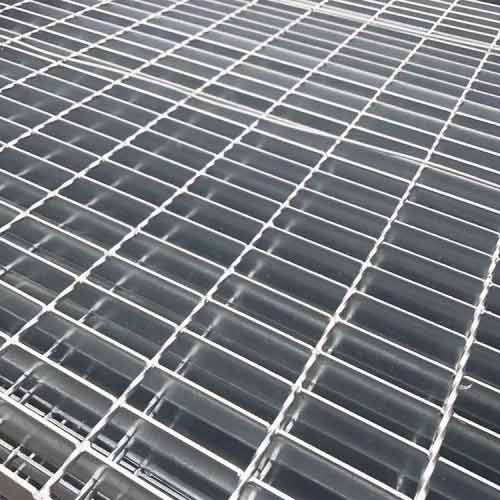
The open design of these gratings provides excellent drainage and ventilation, making them ideal for wet or corrosive environments such as wash-down areas, chemical plants, and offshore decks. Liquids, dust, and debris fall through the openings rather than accumulating on the surface, reducing slip hazards and the need for constant cleaning. In food processing facilities, this prevents the growth of bacteria in stagnant water pools. Furthermore, the "see-through" nature allows light and air to circulate, reducing the need for artificial lighting and HVAC load in the space beneath the platform, contributing to overall energy efficiency.
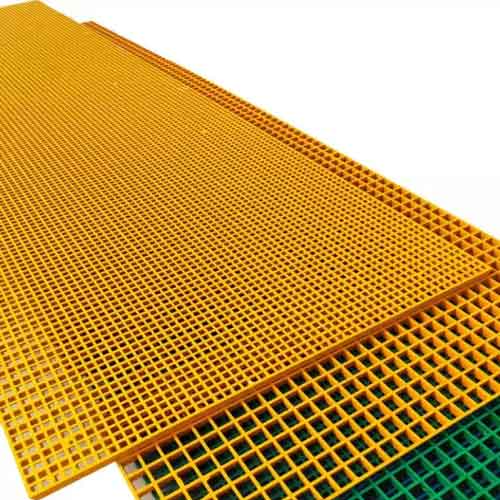
Despite their lower mass, modern lightweight gratings are engineered to withstand significant impact and fatigue. Aluminum alloys used in these systems are often heat-treated to achieve tensile strengths comparable to mild steel. FRP gratings, while lighter, offer superior resistance to chemicals and do not conduct electricity, making them safe for use around high-voltage equipment. The manufacturing process often involves pultrusion or molding, which aligns the fibers or metal grains to maximize load-bearing capacity in the direction of traffic flow.
Installation is significantly faster and safer compared to heavy steel platforms. Because the panels are lighter, they can be lifted and positioned by a single worker or a small crane, eliminating the need for heavy machinery. Many systems feature interlocking or clip-fix designs that allow for tool-free assembly and easy disassembly for access to pipes and cables underneath. This modularity is crucial in dynamic industrial environments where layout changes are frequent. If a section becomes damaged, it can be replaced individually without dismantling the entire structure.
The aesthetic and ergonomic benefits are also noteworthy. Lightweight gratings can be anodized or powder-coated in various colors for safety zoning (e.g., yellow for walkways, blue for machinery areas). The reduced weight also means less strain on the building's structure over time, extending the lifespan of the facility. Whether used for catwalks, mezzanine floors, or trench covers, lightweight platform gratings represent a modern, efficient solution that balances safety, functionality, and cost-effectiveness.
-
2026-03-13When engineers design access platforms around cylindrical structures—such as silos, reactors, or storage tanks—the circular platform grating becomes an indispensable solution for safe, ergonomic, and code-compliant walkways. Unlike flat panels that leave awkward gaps, custom-fabricated c
-
2026-03-12Cast iron grating has served as the foundation of drainage systems for centuries, providing the robust, reliable surface drainage that handles pedestrian and vehicular traffic in urban environments worldwide. These cast metal components feature perforated or slotted patterns that allow wat
-
2026-03-11Industrial HVAC systems require stable and safe maintenance access platforms to support personnel and equipment. Chiller platform grating serves as the critical flooring surface for these elevated structures, providing a non-slip and durable working environment. Chillers are typically heav