
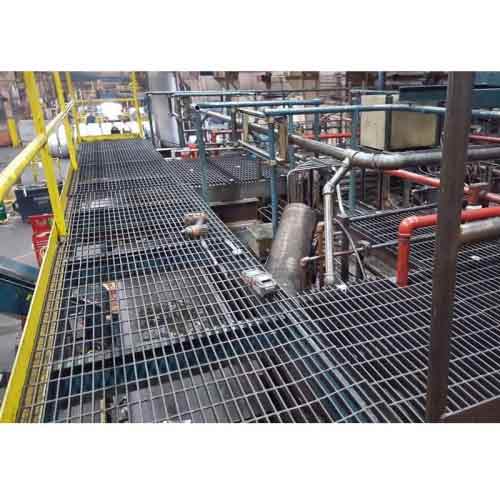
Platform grating installations in industrial and commercial environments demand robust corrosion protection strategies that ensure long-term structural integrity and safe performance despite continuous exposure to harsh environmental conditions. The grating surfaces of platforms, walkways, and elevated work areas serve as critical safety infrastructure in factories, refineries, power plants, and outdoor installations where workers depend on reliable footing for safe access to equipment and processes. Corrosion of grating components compromises both the load-bearing capacity and the slip resistance characteristics that are essential for worker safety, making corrosion protection a primary consideration in grating material selection and finishing specifications. Understanding the mechanisms of corrosion attack and the available protection methods enables engineers and facility managers to implement appropriate strategies that optimize lifecycle performance and minimize maintenance requirements.
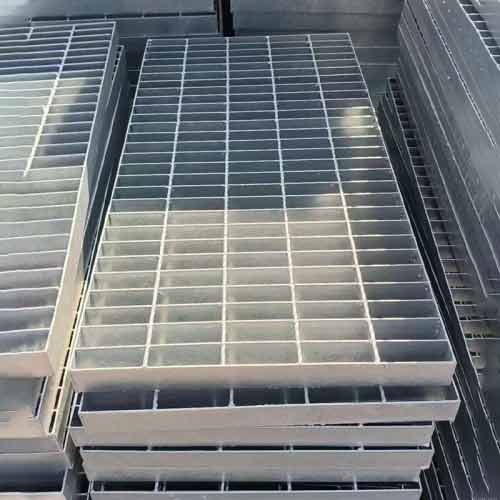
The primary corrosion threats to platform grating arise from atmospheric exposure to moisture, oxygen, and potentially aggressive chemical compounds that initiate and accelerate the degradation of metallic materials. Carbon steel grating, the most common and economical material choice, requires protective coatings to achieve acceptable service life in outdoor or humid environments, as bare steel rapidly oxidizes when exposed to moisture and oxygen. The formation of iron oxide rust not only creates an unsightly appearance but also progressively reduces cross-sectional area and mechanical strength, eventually leading to structural failure if left unchecked. Galvanized coating provides sacrificial protection where zinc corrodes preferentially to the underlying steel, offering excellent corrosion resistance for atmospheric exposures in most industrial and urban environments. Thermal spray aluminum and zinc-aluminum alloy coatings provide enhanced performance for severe service conditions including marine atmospheres and chemical processing environments where standard galvanizing may prove inadequate.
Surface preparation and coating application procedures critically influence the effectiveness and longevity of corrosion protection systems for platform grating. The performance of any coating system depends on proper surface preparation to remove rust, mill scale, and contamination that would compromise coating adhesion and accelerate coating failure. Standards such as SSPC-SP10 near-white metal blast cleaning or SSPC-SP6 commercial blast cleaning establish surface cleanliness requirements appropriate for different coating systems and service environments. The selection of coating systems must consider the compatibility between primer, intermediate, and topcoat layers, with each layer designed to work together to provide the total protection package. Application methods including spray painting, brush application, and dip coating each offer advantages and limitations that influence coating quality and coverage in different grating geometries and installation contexts.
Weather resistance characteristics extend beyond corrosion protection to include the ability of grating surfaces to maintain slip resistance and structural performance under the full range of environmental conditions encountered in service. UV radiation from sunlight can degrade organic coatings, causing chalking, color fading, and loss of film integrity that reduces both corrosion protection and appearance. Temperature cycling causes expansion and contraction that can stress coating systems and joints between coating layers, potentially leading to cracking and delamination in severe service conditions. The accumulation of ice, snow, or water on grating surfaces affects both slip resistance and load distribution, requiring consideration of surface texture and drainage characteristics in grating design. Drainage slots and perforated patterns in grating designs facilitate water shedding that prevents pooling and reduces ice formation in outdoor installations. The integration of corrosion protection with overall grating design ensures that platform installations maintain safety and functionality throughout their intended service life regardless of environmental exposure severity.
-
2026-03-13When engineers design access platforms around cylindrical structures—such as silos, reactors, or storage tanks—the circular platform grating becomes an indispensable solution for safe, ergonomic, and code-compliant walkways. Unlike flat panels that leave awkward gaps, custom-fabricated c
-
2026-03-12Cast iron grating has served as the foundation of drainage systems for centuries, providing the robust, reliable surface drainage that handles pedestrian and vehicular traffic in urban environments worldwide. These cast metal components feature perforated or slotted patterns that allow wat
-
2026-03-11Industrial HVAC systems require stable and safe maintenance access platforms to support personnel and equipment. Chiller platform grating serves as the critical flooring surface for these elevated structures, providing a non-slip and durable working environment. Chillers are typically heav